Why Boca Raton Drivers Need a Ceramic Coating with Hydrophobic Properties in Ceramic Coating Boca Raton
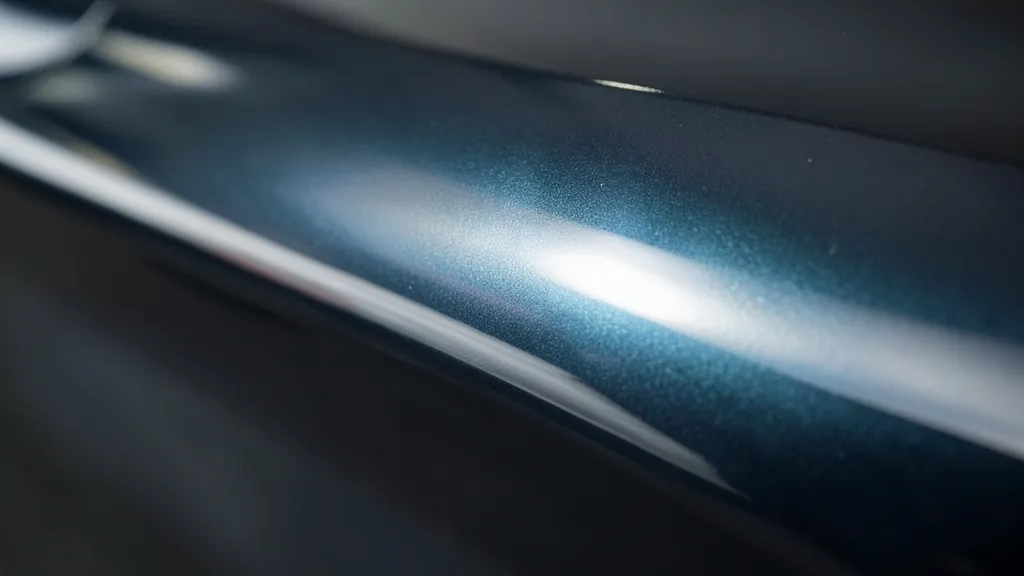
Boca Raton’s salty air, intense UV rays, and sudden downpours take a toll on your vehicle’s finish. A hydrophobic ceramic coating doesn’t just shine—it repels water, contaminants, and UV damage, keeping your car protected longer. We’ll explain why this upgrade is a game-changer for local drivers.
What Makes a Ceramic Coating Hydrophobic?
Hydrophobic ceramic coatings use nano-ceramic polymers, often silicon dioxide (SiO2) or titanium dioxide (TiO2), to create an ultra-smooth, water-repellent surface. Water beads up and rolls off, carrying dirt and grime with it.
This self-cleaning effect reduces the need for frequent washes, which is ideal for Boca Raton’s dusty roads and pollen-heavy seasons. The coating also fills microscopic imperfections in your paint, enhancing gloss and clarity.
How Hydrophobic Coatings Combat Boca Raton’s Climate
Florida’s humidity and salt air accelerate oxidation and corrosion, especially near the coast. A hydrophobic coating acts as a sacrificial barrier, shielding your paint from these elements while preventing water spots and mineral deposits.
UV rays here are relentless, causing paint to fade and clear coats to degrade. Ceramic coatings block up to 99% of UV damage, preserving your vehicle’s color and resale value.
If you park near the beach or drive frequently in Deerfield Beach or Highland Beach, a hydrophobic coating paired with Paint Protection Film (PPF) offers the ultimate defense against salt and sand.
Hydrophobic vs. Hydrophilic Coatings: Key Differences
Hydrophobic coatings repel water, while hydrophilic coatings attract and spread it evenly. For automotive use, hydrophobic is superior—it prevents water spots and makes maintenance easier.
Hydrophilic coatings are rare in car care but sometimes used in windshield treatments. For paint protection, hydrophobic properties are non-negotiable for longevity and performance.
| Property | Hydrophobic Coating | Hydrophilic Coating |
|---|---|---|
| Water Behavior | Beads and rolls off | Spreads evenly |
| Self-Cleaning Effect | High (dirt lifts away) | Low |
| Water Spot Resistance | Excellent | Poor |
| Ideal Use Case | Paint, wheels, trim | Windshields (rare) |
| Maintenance | Low (less frequent washing) | High |
Longevity: How Long Does a Hydrophobic Ceramic Coating Last?
Professional-grade ceramic coatings last 2 to 5 years, depending on the product and maintenance. In Boca Raton’s harsh climate, we recommend reapplying every 2–3 years for optimal protection.
Factors like parking habits, washing techniques, and exposure to contaminants affect durability. A well-maintained coating on a garage-kept car in Parkland may outlast one on a daily-driven vehicle in Delray Beach.
The Role of Paint Correction Before Applying a Ceramic Coating
A ceramic coating locks in your paint’s current condition. If swirl marks, scratches, or oxidation exist, they’ll be permanently sealed under the coating. That’s why we always start with paint correction and polishing.
This step ensures a flawless, mirror-like finish before the hydrophobic layer is applied. Skipping it can lead to a lackluster result, even with a high-quality coating.
Applying a ceramic coating over damaged paint is like putting a bandage on a dirty wound. Invest in paint correction first for optimal results.
Beyond Paint: Other Areas That Benefit from Hydrophobic Coatings
Wheels and brake calipers are highly exposed to brake dust, road grime, and heat. A ceramic coating here makes cleaning easier and prevents corrosion, especially for performance vehicles in Coconut Creek or Parkland.
Interior surfaces like leather, plastic, and vinyl can also be treated with ceramic coatings to resist stains, UV fading, and wear. Even headlights benefit—restoration followed by a ceramic coating prevents yellowing and haze.
Maintaining Your Hydrophobic Ceramic Coating in South Florida
Wash your car every 1–2 weeks using a pH-neutral shampoo to avoid stripping the coating. Avoid automatic car washes with harsh brushes—they can introduce micro-scratches.
Use a ceramic-specific detail spray to enhance hydrophobicity between washes. For stubborn contaminants like tar or bug splatter, a dedicated ceramic coating cleaner will safely remove them without damaging the layer.
Ceramic Coating Maintenance Essentials
- Wash with pH-neutral shampoo every 1–2 weeks
- Use microfiber towels for drying
- Avoid automatic car washes with brushes
- Apply ceramic boost spray every 3–6 months
- Remove contaminants promptly with a ceramic-safe cleaner
How to Choose the Right Hydrophobic Ceramic Coating for Your Car
Not all ceramic coatings are created equal—here’s how to pick the right one for your needs.
- 1Assess Your Needs
Consider your driving habits, parking conditions, and how long you plan to keep the car. Daily drivers in Boca Raton may need a more durable coating than weekend cruisers.
- 2Check the Coating’s Hardness Rating
Look for a 9H hardness rating on the pencil scale for maximum scratch resistance. This is standard for professional-grade coatings.
- 3Evaluate Hydrophobic Performance
Test the coating’s water contact angle—higher angles (110°+) indicate better hydrophobicity. Ask your installer for a water beading demonstration.
- 4Verify UV and Chemical Resistance
Ensure the coating can withstand Florida’s UV exposure and resist chemicals like bird droppings, tree sap, and road salt.
- 5Prioritize Professional Installation
DIY kits are tempting, but professional application ensures proper prep, even coverage, and longevity. Request a quote to compare options.
Frequently Asked Questions
Does a hydrophobic ceramic coating prevent all scratches?
No, ceramic coatings add a hard, protective layer (9H hardness) that resists minor scratches and swirl marks, but they won’t stop deep scratches from rocks or keys. For full protection, pair it with Paint Protection Film (PPF).
Can I apply a ceramic coating myself in Boca Raton?
While DIY ceramic sprays exist, professional-grade coatings require paint correction, precise application, and controlled environments. Improper application can lead to streaks, high spots, or premature failure.
How does a hydrophobic coating perform in Boca Raton’s rain?
Exceptionally well. The coating causes water to bead and roll off immediately, reducing water spots and making rain self-cleaning to a degree. This is especially valuable during sudden summer downpours.
Will a ceramic coating make my car maintenance-free?
Not entirely, but it drastically reduces maintenance. You’ll still need to wash your car regularly, but cleaning becomes faster and easier. Contaminants like tar or bug splatter may still require spot treatment.
Is a hydrophobic ceramic coating worth it for older cars in Ceramic Coating Boca Raton?
Absolutely, if the paint is in good condition after correction. It can restore gloss, protect the finish, and even boost resale value. However, severely oxidized or peeling paint may need restoration before coating.
Can ceramic coatings be applied to matte or satin finishes?
Yes, but it requires a specialized matte ceramic coating. Regular hydrophobic coatings can add unwanted gloss to matte paints, so always specify your finish type to your installer.