Self-Cleaning Superpowers: How Ceramic Coating in Boca Raton Beats Wax Every Time in Ceramic Coating Boca Raton, FL
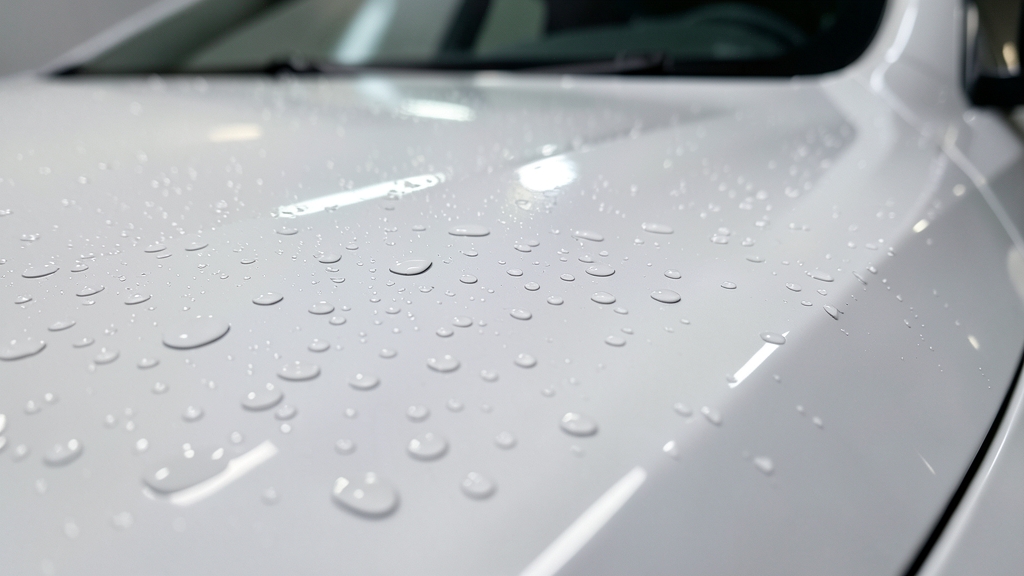
Wax fades in weeks, but ceramic coating bonds to your paint at a molecular level. In Boca Raton’s salt air and relentless sun, that difference means a car that stays cleaner, longer—without the constant reapplication. We’ll break down the science behind its self-cleaning edge and why local drivers are making the switch.
The Hydrophobic Effect: Why Water Beads Like Magic
Ceramic coatings use SiO2 (silicon dioxide) nanoparticles to create an ultra-smooth, hydrophobic surface. Water beads up and rolls off, carrying dirt and grime with it—no wiping required.
In Boca Raton’s daily humidity, this means fewer water spots and less mineral buildup from sprinklers or rain. Wax can’t match this level of repellency or durability.
After a ceramic coating application, avoid automatic car washes with harsh brushes for the first 2 weeks. The coating needs time to fully cure and bond to your clear coat.
Longevity: Months vs. Years of Protection
Quality wax lasts 1–3 months in Florida’s UV-heavy climate. Ceramic coatings, properly applied, can protect for 2–5 years—sometimes longer with maintenance.
The secret? Chemical bonding. Wax sits on the surface; ceramic coatings fuse with the paint, resisting wash-induced wear and environmental contaminants like salt, bird droppings, and tree sap.
Ceramic Coating vs. Wax: A Side-by-Side Comparison
Not all protection is created equal. Below, we compare the two most common paint protection methods head-to-head.
| Feature | Ceramic Coating | Wax |
|---|---|---|
| Durability | 2–5+ years | 1–3 months |
| Hydrophobic Properties | Extreme (water sheets off) | Moderate (water beads temporarily) |
| UV Resistance | High (prevents oxidation/fading) | Low (degrades quickly) |
| Chemical Resistance | Resists acids, bird droppings, salt | Minimal; dissolves under harsh contaminants |
| Maintenance | Low (self-cleaning, occasional wash) | High (frequent reapplication) |
| Gloss & Depth | Enhances clarity and depth | Temporary shine, can yellow over time |
Why Boca Raton’s Climate Demands More Than Wax
Salt air from the coast accelerates paint oxidation. Wax can’t stand up to it—ceramic coatings create a barrier that repels salt and prevents corrosion.
Year-round sun and heat break down wax fast. Ceramic coatings maintain their integrity, even in Florida’s 90°F+ summers, keeping your paint protected and glossy.
Heavy rain and pollen? The hydrophobic surface means less dirt clings to your car, so you spend less time washing and more time driving.
Store-bought ceramic coating kits rarely deliver the same results as professional application. Improper prep or application can leave streaks, high spots, or even damage your paint.
The Role of Paint Correction Before Coating
Ceramic coatings lock in your paint’s current condition. That’s why we always start with paint correction—removing swirl marks, scratches, and oxidation—to ensure a flawless finish.
In Boca Raton, many cars arrive with sun damage or water spots. A full paint correction and polishing step restores clarity before the coating is applied.
Beyond the Paint: Full-Vehicle Protection Options
Ceramic coatings aren’t just for paint. We apply them to wheels, brake calipers, and even interiors to repel brake dust, UV rays, and spills.
For maximum defense, pair a ceramic coating with paint protection film (PPF) on high-impact areas like the hood and bumper. PPF absorbs rock chips while the coating keeps the rest of the car pristine.
Drivers in Delray Beach, Deerfield Beach, and Parkland often opt for ceramic window tint as well—reducing heat, UV exposure, and glare while adding another layer of protection.
Areas to Consider for Ceramic Coating
- Full-vehicle paint
- Wheels and brake calipers
- Interior surfaces (dash, leather, plastics)
- Headlights (restoration + coating)
- Glass (hydrophobic properties improve visibility in rain)
Maintaining Your Ceramic Coating in Florida
Even with a ceramic coating, regular washing is key. Use a pH-neutral car shampoo to avoid stripping the coating’s hydrophobic layer.
Avoid wax-based products—they can leave residues that dull the coating’s self-cleaning properties. Stick to ceramic-safe detail sprays for touch-ups.
Every 1–2 years, a maintenance boost with a ceramic topper can refresh the hydrophobic effect and extend the life of your coating.
How to Tell If Your Car Needs Ceramic Coating (Not Just Wax)
Not sure if ceramic coating is right for your vehicle? Follow these steps to assess your needs.
- 1Inspect Your Paint
Run your fingers over the surface. If you feel roughness, swirl marks, or oxidation, your paint needs correction before any coating can be applied effectively.
- 2Test Water Behavior
Sprinkle water on your car. If it beads but doesn’t sheet off, your current wax is failing. Ceramic coatings cause water to roll off in sheets.
- 3Check for Fading or Discoloration
Look for dull or faded areas, especially on the hood or roof. UV damage is common in Florida and signals that wax isn’t providing enough protection.
- 4Evaluate Your Maintenance Routine
If you’re reapplying wax every few weeks to maintain shine, ceramic coating can save you time and effort with its long-lasting protection.
- 5Consider Your Driving Conditions
Frequent highway driving, parking under trees, or living near the coast? These expose your car to contaminants that wax can’t handle long-term.
Frequently Asked Questions
Does ceramic coating make my car completely maintenance-free?
No, but it drastically reduces maintenance. You’ll still need to wash your car, but dirt and grime won’t stick as easily. The hydrophobic effect means less scrubbing and fewer water spots, especially after Boca Raton’s sudden rain showers.
Can I apply ceramic coating over existing wax or sealant?
No. Wax or sealant must be fully removed before applying a ceramic coating. Our team performs a thorough decontamination and paint correction to ensure the coating bonds properly to your clear coat.
How does ceramic coating perform in Boca Raton’s salt air?
Exceptionally well. The coating’s chemical resistance repels salt and other corrosive contaminants, preventing them from etching into your paint. This is a major advantage over wax, which offers minimal protection against salt damage.
Is ceramic coating worth it for older cars?
Absolutely, if the paint is in decent condition. We often restore older vehicles in Highland Beach or Coconut Creek with paint correction followed by a ceramic coating to revive their appearance and protect them for years to come.
What’s the difference between ceramic coating and paint protection film (PPF)?
Ceramic coating is a liquid applied to the entire vehicle for gloss, UV protection, and hydrophobic properties. PPF is a physical film applied to high-impact areas to protect against rock chips and scratches. Many drivers combine both for ultimate protection.
How do I get a ceramic coating quote for my car in Boca Raton?
The cost depends on your vehicle’s size, paint condition, and the level of protection you want. Factors include whether you need paint correction, the type of coating, and any add-ons like PPF or interior coatings. Request a quote for a tailored estimate.