Is Professional Paint Correction Necessary Before Ceramic Coating in Boca Raton in Ceramic Coating Boca Raton, FL?
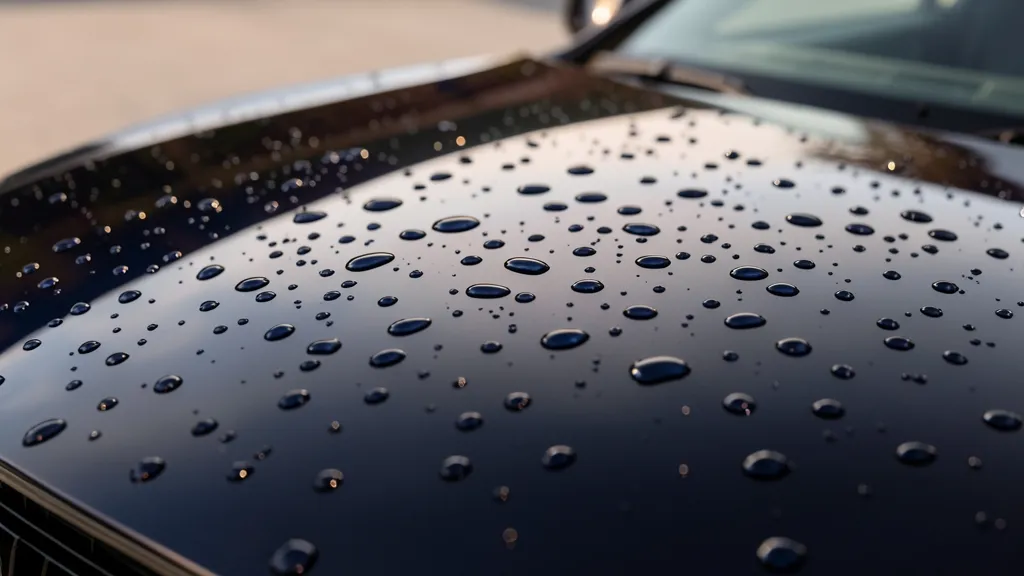
Ceramic coatings bond permanently to your vehicle’s clear coat, so any imperfections trapped beneath them become permanent too. In Boca Raton’s intense sun and salt air, skipping paint correction often means locking in swirls, oxidation, and water spots for years. We explain why proper prep isn’t just recommended—it’s non-negotiable for lasting results.
Why Paint Correction Matters Before Ceramic Coating
Ceramic coatings amplify your paint’s condition—good or bad. If swirl marks, oxidation, or fine scratches exist, the coating’s high-gloss finish will make them more visible, not less.
In South Florida’s climate, UV exposure and salt air accelerate paint degradation. Correction removes these defects so the coating adheres to a flawless surface, maximizing durability and shine.
Without correction, contaminants and uneven texture can prevent the coating from bonding uniformly. This leads to premature failure, reduced hydrophobicity, and a lackluster appearance.
Over-the-counter polishes and inexperienced buffing can thin your clear coat or leave holograms. Professional correction uses precise tools and techniques to restore clarity without damage.
The Paint Correction Process: What to Expect
We start with a thorough wash and decontamination to remove embedded grit, tar, and industrial fallout. This step ensures no abrasives are dragged across the paint during polishing.
Next, we measure paint thickness with a gauge to determine safe correction limits. Thin clear coat areas may require gentler compounds to avoid burn-through.
Compounding with a dual-action polisher removes deeper defects like oxidation and heavy swirls. Finishing polishes refine the surface to a mirror-like gloss, ready for coating adhesion.
Paint Correction vs. Basic Waxing or Sealing
Waxes and sealants fill minor imperfections temporarily but don’t remove them. Ceramic coatings, however, require a permanently smooth surface to bond effectively.
| Aspect | Paint Correction | Wax/Sealant |
|---|---|---|
| Defect Removal | Yes (swirls, oxidation, scratches) | No (masks only) |
| Surface Bonding | Optimal for ceramic coatings | Temporary, no chemical bond |
| Longevity | Permanent (with coating) | 3-6 months |
| Gloss Level | High (true reflection) | Moderate (filled-in look) |
Signs Your Vehicle Needs Paint Correction Before Coating
Visible swirl marks under direct light are a clear indicator. These are often caused by improper washing techniques or automatic car washes.
Oxidation appears as a dull, chalky finish, common on older or sun-exposed vehicles in Boca Raton. This requires compounding to restore vibrancy.
Water spots, bird droppings, or tree sap etching leave permanent marks if not addressed. These defects can’t be hidden by a coating—they must be polished out.
Does Your Car Need Correction?
- Swirl marks or spider-webbing under sunlight
- Dull, faded, or chalky paint (oxidation)
- Visible scratches or haze after washing
- Water spots or etching from contaminants
- Uneven gloss or holograms from prior polishing
How Boca Raton’s Climate Affects Paint and Coatings
Salt air from the coast accelerates corrosion and can etch into clear coat if left unchecked. Correction removes these deposits before they’re sealed under a coating.
Intense UV exposure breaks down paint binders, leading to oxidation and color fading. Correcting these issues before coating ensures the finish stays vibrant longer.
Frequent rain and humidity can lead to water spots and mineral deposits. These must be polished out to prevent them from becoming permanent under the coating.
Can You Skip Paint Correction? The Risks
Applying a ceramic coating over defective paint locks in imperfections for the coating’s lifespan—typically 2 to 5 years. Removal later requires wet-sanding or re-polishing, which is costly and risky.
Poor adhesion due to contaminants or uneven surfaces can cause the coating to peel or fail prematurely. This defeats the purpose of long-term protection.
Aesthetically, a coating over uncorrected paint will lack the depth, clarity, and hydrophobic properties you expect. The result? A lackluster finish that doesn’t justify the investment.
For newer vehicles with minor defects, a light polishing stage may be enough. We assess each car individually to balance correction needs with clear coat preservation.
Pairing Paint Correction with Other Protective Services
After correction, many Boca Raton clients opt for Paint Protection Film (PPF) on high-impact areas like the front bumper or hood. PPF guards against rock chips while the coating protects the rest of the vehicle.
Ceramic window tint complements full-vehicle coatings by reducing UV exposure inside the cabin, preventing interior fading and heat buildup.
For wheels and brake calipers, ceramic coatings resist brake dust and harsh cleaners, making maintenance easier in our salty, dusty environment.
What to Look for in a Boca Raton Paint Correction Specialist
Experience with high-end vehicles and clear coat systems is critical. Not all paints—especially on luxury or exotic cars—respond the same way to compounds and polishes.
A detailer should use paint thickness gauges, high-quality pads, and professional-grade compounds. Cheap tools or products can cause more harm than good.
Ask for before-and-after examples of correction work on similar vehicles. This demonstrates their ability to achieve true clarity and depth without damaging the paint.
How to Maintain Your Paint After Correction and Coating
Proper care extends the life of your ceramic coating and keeps your paint looking flawless.
- 1Wash Regularly with pH-Neutral Soap
Use a grit guard and two-bucket method to prevent swirls. Avoid automatic car washes with harsh brushes.
- 2Dry with a Microfiber Towel
Pat dry instead of dragging the towel to minimize micro-marring. A blower can help remove water from crevices.
- 3Use Ceramic-Safe Products
Avoid wax-based or silicone products, which can leave residues. Stick to ceramic-specific shampoos and detail sprays.
- 4Address Contaminants Immediately
Bird droppings, bug splatter, and tar should be removed ASAP to prevent etching. Use a dedicated remover if needed.
- 5Reapply Maintenance Spray
Every 3-6 months, apply a ceramic boost spray to refresh hydrophobic properties and extend the coating’s life.
- 6Inspect for Damage
Check for water spots, new swirls, or coating degradation. Schedule touch-ups if defects appear.
Frequently Asked Questions
How much does paint correction cost before ceramic coating in Boca Raton?
Costs vary based on vehicle size, paint condition, and correction depth (1-step vs. multi-stage). Severe oxidation or deep scratches require more labor. Request a quote for an accurate estimate tailored to your car.
Can I apply a ceramic coating myself after paint correction?
While DIY kits exist, professional application ensures even coverage, proper curing, and optimal bonding. Mistakes in prep or application can lead to streaks, uneven gloss, or premature failure.
How long does paint correction take before ceramic coating?
A full correction can take 6 to 12 hours, depending on the vehicle’s condition. Adding ceramic coating application typically requires an additional 1-2 days for curing between layers.
Will paint correction remove all scratches?
It removes most light to moderate scratches and swirls. Deep scratches that penetrate the clear coat may require wet-sanding or touch-up paint before correction.
Is paint correction necessary for a brand-new car in Boca Raton?
New cars often have dealer-induced swirls or paint defects from transport. A light correction ensures the coating bonds to a perfect surface, enhancing gloss and longevity.
Does ceramic coating eliminate the need for future paint correction?
While coatings protect against new defects, they don’t prevent all damage. Regular maintenance washes and occasional touch-ups may still be needed, especially in harsh climates like Boca Raton’s.