How to Verify Your Ceramic Coating Installer Uses Genuine Products in Ceramic Coating Boca Raton
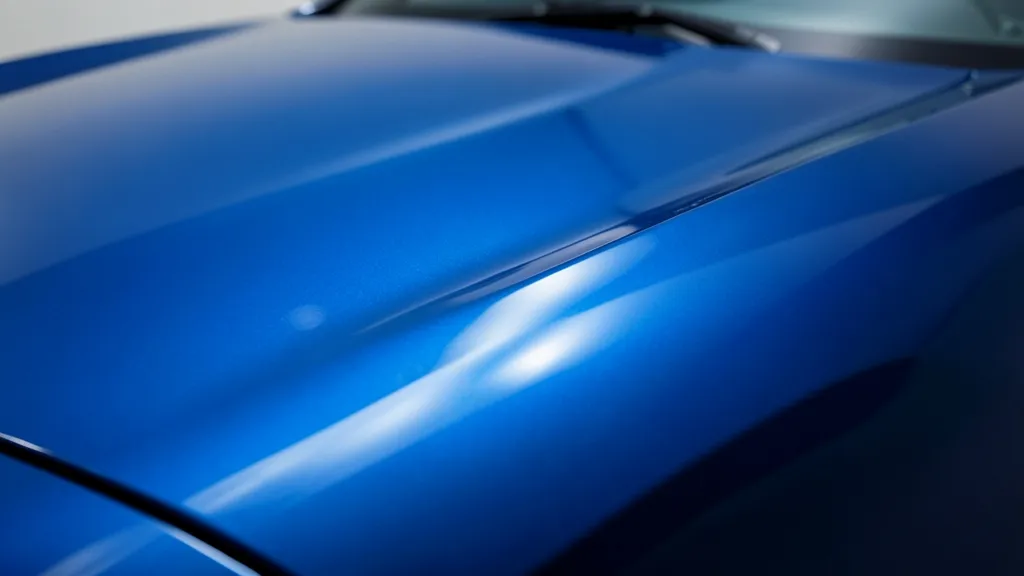
In Boca Raton’s harsh sun and salty air, a subpar ceramic coating fails fast. We’ve seen counterfeit products leave vehicles unprotected—often within months. Here’s how to ensure your installer uses the real deal, so your paint stays shielded for years, not weeks.
Why Counterfeit Ceramic Coatings Are a Growing Problem in South Florida
Boca Raton’s luxury car scene attracts unscrupulous installers cutting corners with fake or diluted coatings. These knockoffs lack the nanoceramic polymers (SiO2/TiO2) that create the 9H hardness and hydrophobic layer you pay for.
Salt air and UV exposure here accelerate failure. A counterfeit coating may look glossy at first but degrade in months, leaving paint vulnerable to etching and oxidation.
If the price seems too good to be true, it likely is. Genuine coatings from brands like Gtechniq, Ceramic Pro, or CarPro cost more because of their engineered chemistry.
Check for Authorized Distributor Status Before Booking
Reputable brands only sell to trained professionals. Ask your Boca Raton shop for proof of authorization—this ensures they’re sourcing directly from the manufacturer, not a gray-market reseller.
For example, Ceramic Pro requires installers to complete training and maintain stock from approved distributors. If they can’t show this, walk away.
Insist on Seeing the Product’s MSDS and Batch Numbers
Genuine ceramic coatings come with Material Safety Data Sheets (MSDS) and unique batch numbers. These documents verify the product’s chemical composition and origin.
A legitimate installer will have these on hand and won’t hesitate to share them. If they’re vague or refuse, it’s a sign they’re using unregulated or counterfeit products.
Snap a photo of the batch number on the bottle. You can often verify it directly with the manufacturer’s customer service.
Compare Genuine vs. Counterfeit Coatings: Key Differences
Real ceramic coatings bond at a molecular level, creating a semi-permanent layer. Fakes often sit on the surface, washing off quickly. The table below highlights critical distinctions.
| Trait | Genuine Coating | Counterfeit Coating |
|---|---|---|
| Hardness (Pencil Test) | 9H or higher | 2H-4H, often untested |
| Hydrophobic Effect | Extreme water beading, lasts 2-5+ years | Weak beading, fades in months |
| UV Resistance | Blocks 99%+ of UV rays | Minimal or no UV protection |
| Chemical Resistance | Resists pH 1-12 (e.g., bird droppings, bug splatter) | Dissolves under basic cleaners |
| Cure Time | 24-48 hours (full bond in 7-14 days) | Claims instant cure, peels quickly |
| VOC Compliance | Meets EPA and EU standards | Often non-compliant, strong odor |
Ask About the Prep Work: Paint Correction Is Non-Negotiable
Even the best ceramic coating won’t adhere properly to swirled or oxidized paint. A true professional in Boca Raton will insist on paint correction and polishing first—this removes contaminants and imperfections for optimal bonding.
If they skip this step, the coating’s lifespan and performance will suffer. We often see DIY or cheap jobs fail because of poor prep, especially on darker vehicles.
Look for Transparency in the Installation Process
A trustworthy installer will walk you through their process, from decontamination to final curing.A warranty is a standard way for installers to demonstrate confidence in their products and workmanship.
In Boca Raton, we offer warranties ranging from 2 to 5 years, depending on the coating tier. Counterfeit products rarely come with any assurance.
What to Demand from Your Installer
- Proof of authorized distributor status
- MSDS and batch numbers for the product
- Before-and-after photos of paint correction
- A written warranty covering defects and durability
- A walkthrough of the installation steps
Beware of ‘Ceramic’ Sprays and Quick-Detailer Scams
Some shops in Delray Beach or Deerfield Beach market ‘ceramic sprays’ as full coatings. These are temporary boosters, not true nanoceramic coatings. They lack the durability and protection of a professional-grade product.
True ceramic coatings require multi-layer application and professional tools. If it’s applied in under an hour, it’s not the real thing.
Boca Raton’s high-end vehicles are prime targets for these scams. Always verify the product’s intended use—sprays are for maintenance, not protection.
Post-Installation: How to Test Your Coating’s Authenticity
After installation, perform a few simple tests. The water beading should be extreme—water should roll off like marbles. Use a pH-neutral car shampoo; genuine coatings won’t strip under normal washing.
If the coating fails these tests within weeks, it’s likely counterfeit. In that case, contact your installer immediately to address the issue under warranty.
How to Verify Your Ceramic Coating’s Authenticity After Installation
Use these steps to confirm your Boca Raton installer used a genuine product.
- 1Water Beading Test
Spray water on the coated surface. Genuine coatings create tight, high beads that roll off effortlessly. Weak or flat beading suggests a fake.
- 2Dirt Repellency Check
After a drive, dust and dirt should rinse off with minimal effort. Counterfeit coatings won’t repel contaminants as effectively.
- 3Chemical Resistance Test
Apply a drop of pH-neutral cleaner and let it sit for 5 minutes. Wipe away—no damage or hazing should occur on a real coating.
- 4UV and Heat Inspection
Park in direct sunlight for a few hours. Genuine coatings resist fading and heat damage. Check for discoloration or peeling.
- 5Professional Evaluation
If in doubt, visit a trusted detailer in Parkland or Coconut Creek for a second opinion. They can assess the coating’s integrity with specialized tools.
Frequently Asked Questions
How long should a genuine ceramic coating last in Boca Raton’s climate?
A professional-grade ceramic coating should last 2-5 years in South Florida, depending on the product tier and maintenance. Our climate’s UV and salt air demand high-quality coatings with strong UV inhibitors and hydrophobic properties.
Can I apply a ceramic coating myself to save money?
While DIY kits exist, they lack the durability and performance of professional-grade products. Improper prep or application can lead to peeling, streaking, or failure. For Boca Raton’s conditions, we recommend leaving it to professionals.
What’s the difference between ceramic coating and Paint Protection Film (PPF)?
Ceramic coatings are liquid polymers that bond to paint, enhancing gloss and protection. PPF is a physical urethane film that shields against rock chips and scratches. Many Boca Raton clients combine both for ultimate protection.
How do I maintain my ceramic coating to maximize its lifespan?
Wash your vehicle every 2 weeks with a pH-neutral shampoo and microfiber towels. Avoid automatic car washes with harsh brushes. Use a ceramic-boosting spray every 3-6 months to replenish hydrophobic properties.
Are there ceramic coatings for wheels and brake calipers in Boca Raton?
Yes! Wheel and brake caliper ceramic coatings resist brake dust, high heat, and chemical cleaners. These are especially popular in Highland Beach and Parkland, where performance vehicles demand extra protection.
What should I do if I suspect my installer used a counterfeit coating?
Document the issues (photos, videos of poor beading or peeling) and contact the installer immediately. If they’re unresponsive, reach out to the coating manufacturer with your batch number. For local recourse, consult a reputable shop in Deerfield Beach or Delray Beach for an inspection.