Ceramic Coating vs. Wax: Why Boca Raton Drivers Are Making the Switch to Long-Lasting Protection in Ceramic Coating Boca Raton, FL
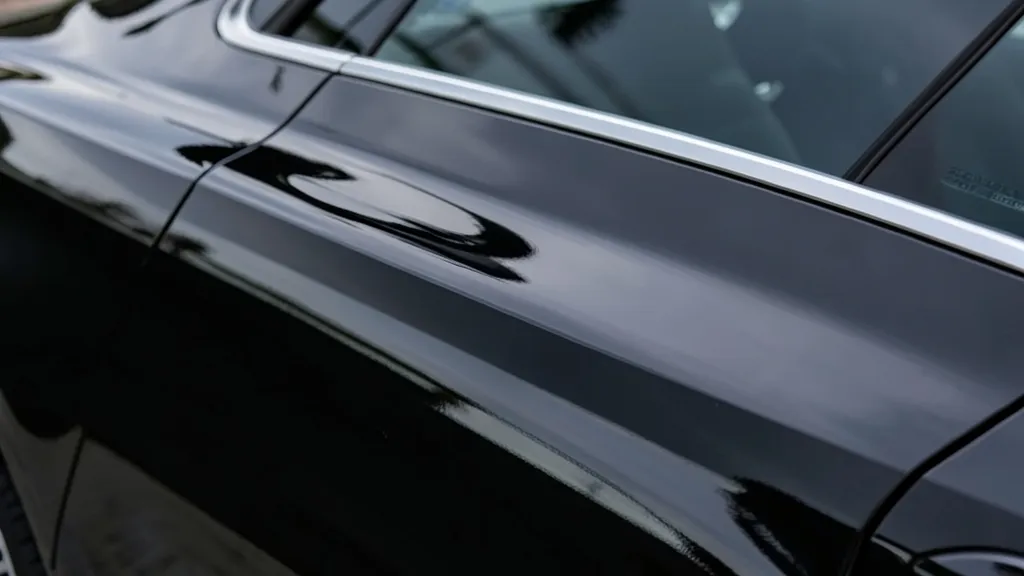
Boca Raton’s relentless sun, salt air, and sudden downpours push car finishes to the limit. We see it daily: wax fades in weeks, while ceramic coating locks in gloss and protection for years. The choice isn’t just about shine—it’s about resilience against Florida’s toughest conditions.
The Core Difference: Bonding vs. Sitting on Top
Wax, whether carnauba or synthetic, sits on the paint’s surface like a temporary shield. It beads water and adds depth, but UV rays, heat, and rain break it down fast in our climate.
Ceramic coating chemically bonds with the clear coat, forming a nano-ceramic layer that’s part of the paint. This creates a 9H hardness rating and true resistance to UV, oxidation, and minor scratches.
Think of wax as a raincoat and ceramic coating as a second skin—one peels off, the other becomes part of the car.
Longevity: Months vs. Years in South Florida Heat
High-quality carnauba wax lasts 4–8 weeks here; synthetic wax might stretch to 3–4 months. In Boca Raton, salt spray from A1A and intense UV accelerate the breakdown.
A professional ceramic coating lasts 2–5 years, often longer with proper care. We’ve seen coatings on Deerfield Beach and Delray Beach cars still beading water like new after 36 months.
The upfront time investment pays off. One coating session can outlast a dozen wax jobs.
Protection Against Boca Raton’s Biggest Threats
Salt air from the Intracoastal corrodes paint and trim. Wax offers minimal defense; ceramic coating’s hydrophobic and anti-corrosive properties repel salt and contaminants.
UV exposure here is extreme. Wax fades and yellows; ceramic coating blocks 99% of UV rays, preventing oxidation and color fade on black, white, or metallic finishes.
Bird droppings and tree sap in Highland Beach or Parkland neighborhoods etch paint quickly. Ceramic’s self-cleaning effect and chemical resistance buy you time to wash it off.
Gloss and Depth: Which Delivers the Richer Finish?
Wax gives a warm, deep glow—especially carnauba—but it’s temporary. The shine diminishes as the wax degrades under Boca’s sun.
Ceramic coating enhances gloss at a molecular level. The ultra-smooth surface reflects light more uniformly, creating a mirror-like finish that doesn’t dull.
For showroom-quality depth, we often pair ceramic coating with paint correction. This combo removes swirls and defects, letting the coating’s clarity truly shine.
Always start with paint correction before applying ceramic coating. This ensures the coating bonds to a flawless surface, amplifying gloss and longevity.
Maintenance: Less Work, More Driving
Waxed cars need reapplication every 1–3 months. That’s a lot of weekends spent polishing in the Florida heat.
Ceramic-coated vehicles stay cleaner longer. Dirt and grime slide off with rain or a quick rinse. Weekly washes with pH-neutral soap keep the coating in top shape.
No more buffing out water spots or haze. Just wash, dry, and enjoy the hydrophobic beading that makes neighbors in Coconut Creek or Parkland take notice.
Cost Considerations: Short-Term vs. Long-Term Value
Wax is cheap upfront—$20–$50 for a DIY kit. But over 2–3 years, the cost of repeated applications and your time add up.
Ceramic coating is an investment. Factors like vehicle size, paint condition, and coating tier (entry, professional, or premium) influence the quote. Request a quote to see your exact needs.
Consider this: one ceramic coating can replace 20+ wax sessions. For Boca Raton drivers, the long-term savings and protection often justify the initial cost.
| Factor | Ceramic Coating | Wax |
|---|---|---|
| Upfront Cost | Higher (varies by vehicle and coating tier) | Low |
| Frequency | Every 2–5+ years | Every 1–3 months |
| Time Investment | 1–2 days (professional application) | 1–2 hours per application |
| Long-Term Value | High (protection + time saved) | Low (repeated cost and effort) |
Can You Use Both? The Hybrid Approach
Some enthusiasts layer a high-quality wax over ceramic coating for extra depth. This “topper” can enhance gloss temporarily but isn’t necessary for protection.
We recommend this only for car shows or special events. Daily driving in Boca Raton’s conditions makes the wax layer redundant—and it can mask the coating’s self-cleaning properties.
Stick to ceramic for year-round defense. Save wax for those rare moments when you want an extra pop.
Never apply wax to a freshly coated car for at least 2–4 weeks. The coating needs time to fully cure and bond. Adding wax too soon can interfere with the process.
Beyond the Paint: Full-Vehicle Protection Options
Ceramic coating isn’t just for paint. We apply it to wheels, brake calipers, and even interiors to resist stains, UV damage, and brake dust buildup.
For ultimate defense, combine ceramic coating with Paint Protection Film (PPF). PPF handles rock chips and deep scratches, while ceramic coating keeps the finish slick and glossy.
Drivers in Delray Beach and Deerfield Beach often opt for ceramic window tint too, reducing heat and UV inside the cabin without sacrificing visibility.
How to Decide Between Ceramic Coating and Wax for Your Boca Raton Car
Not sure which is right for you? Follow these steps to make a suitable choice for your vehicle and lifestyle.
- 1Assess Your Driving Conditions
Do you park outside near the coast or under trees? Boca Raton’s salt air, UV, and sap demand stronger protection—ceramic coating is the clear winner here.
- 2Evaluate Your Time and Effort
If you enjoy detailing and don’t mind reapplying wax every few weeks, it can be a fun, hands-on option. Otherwise, ceramic coating saves time and hassle.
- 3Consider Your Vehicle’s Value
High-end or newer cars benefit most from ceramic coating’s long-term protection and resale value boost. For older daily drivers, wax may suffice.
- 4Check Your Paint’s Condition
If your paint has swirls, scratches, or oxidation, start with paint correction. Ceramic coating locks in the current finish—good or bad.
- 5Think Long-Term
Add up the cost and time of waxing over 2–3 years. If ceramic coating fits your budget, it’s the smarter investment for Boca Raton’s climate.
- 6Consult a Professional
Request a quote and inspection. We’ll assess your paint, discuss your goals, and recommend a suitable solution—whether it’s ceramic coating, PPF, or a hybrid approach.
Frequently Asked Questions
Does ceramic coating make my car completely scratch-proof in Ceramic Coating Boca Raton?
No coating is 100% scratch-proof. Ceramic coating resists minor scratches, swirls, and etches far better than wax, but deep scratches from keys or debris require Paint Protection Film (PPF) for full defense.
Can I apply ceramic coating myself, or should I hire a pro?
DIY ceramic coating kits exist, but professional application ensures proper prep, even coverage, and curing. Boca Raton’s humidity and heat can complicate DIY jobs, leading to streaks or poor bonding.
How do I maintain my ceramic-coated car in Boca Raton’s climate?
Wash weekly with a pH-neutral car shampoo and microfiber towels. Avoid automatic car washes with harsh brushes. Use a ceramic-safe detail spray to enhance hydrophobicity between washes.
Will ceramic coating work on matte or satin paint finishes?
Yes, but it requires a specialized matte ceramic coating. Regular ceramic coatings add gloss, which ruins matte finishes. We stock matte-specific products for vehicles in Highland Beach or Parkland with these finishes.
Is ceramic coating worth it for a lease vehicle in Ceramic Coating Boca Raton?
It depends on the lease term. For 2–3 year leases, ceramic coating can maintain the finish and reduce wear-and-tear charges at turn-in. Shorter leases may not justify the cost.
What’s the difference between ceramic coating and Paint Protection Film (PPF)?
Ceramic coating is a liquid applied to paint that enhances gloss and repels contaminants. PPF is a thick, self-healing urethane film that protects against rock chips and deep scratches. Many Boca Raton drivers use both for maximum protection.